Why Bees Matter
2 min read · Published August 18, 2026
Honey is a byproduct; pollination is the real role
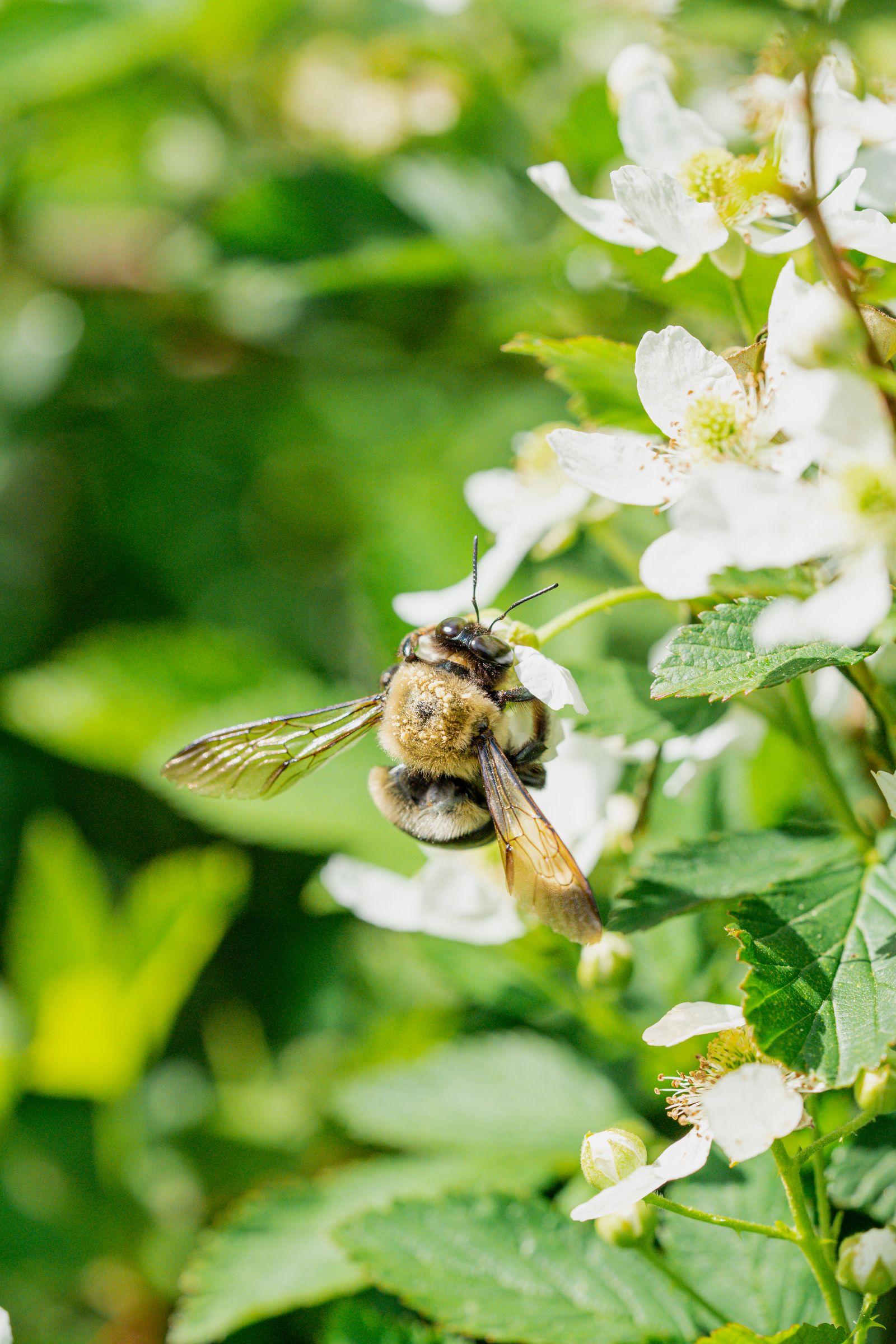
İlyas Kurt is a honey brand, but bees' real importance in nature isn't limited to honey production — honey could even be considered a secondary output compared to bees' role in the ecosystem. The truly critical function of bees (and pollinators more broadly) is their role in plant reproduction through pollination.
How big are the numbers, really?
A global synthesis study estimates that roughly 87.5% of the world's approximately 352,000 flowering plant species — nearly 9 out of every 10 — depend on animal pollination to reproduce. This share is even higher in tropical regions than in temperate climates. Bees are among the most important of these pollinating groups — but not the only one; butterflies, moths, and some bird and bat species also contribute to pollination.
Ecosystem support, not just ecosystem collapse headlines
An influential 2010 review shows that both wild and managed pollinator populations are declining in many regions worldwide, driven by interacting pressures such as habitat loss, pesticides, disease, and climate change. This decline doesn't just affect bee populations — it runs in parallel with declines in the plant species that depend on them, meaning the issue isn't the loss of a single species, but the fragility of an entire ecological network.
A 2016 Nature paper, published alongside the IPBES (Intergovernmental Science-Policy Platform on Biodiversity and Ecosystem Services) assessment, synthesizes evidence that pollinators support both wild ecosystem biodiversity and agricultural production, and that multiple interacting pressures — land-use change, pesticides, pathogens, climate change — threaten these populations and the benefits they provide.
The honey bee: producer and indicator, at once
Specifically for the honey bee (Apis mellifera), a 2022 review highlights the species' dual ecological role: on one hand, a provider of pollination services; on the other, a bioindicator of environmental pollutants — meaning deterioration in bee health can be an early sign of broader environmental problems. This places bees at the intersection of ecosystem and human health.
Bottom line
Bees aren't just "the sweet insects that make honey" — they sit at the center of the reproductive cycle for a huge share of the world's plant life, and their loss would carry wide-reaching ecological consequences. In the next articles, we'll look at what this role means for food security, and examine the specific factors threatening bees today.
İlyas Kurt Editor's Note
As a honey brand, what genuinely excites us here isn't the honey itself but this pollination role — honey is really just a sweet byproduct of a much larger ecological service.
Sources
Every claim above draws on the sources below. Where the evidence is limited or preliminary, we've said so.
Global pollinator declines: trends, impacts and drivers
Potts SG, Biesmeijer JC, Kremen C, Neumann P, Schweiger O, Kunin WE — Trends in Ecology & Evolution, 2010
Study type: Review
Key finding: Shows both wild and managed pollinator populations are declining in many regions, driven by interacting pressures like habitat loss, pesticides, disease, and climate change.
Limitations: Evidence base is geographically skewed toward Europe/North America; many drivers are correlational rather than experimentally proven.
How many flowering plants are pollinated by animals?
Ollerton J, Winfree R, Tarrant S — Oikos, 2011
Study type: Quantitative synthesis of community-level pollination survey data
Key finding: By compiling community survey data worldwide, estimates that roughly 87.5% of the world's ~352,000 flowering plant species depend on animal pollination.
Limitations: Estimate is extrapolated from a limited number of regional community surveys, carrying sampling uncertainty.
DOI: 10.1111/j.1600-0706.2010.18644.xView source →Safeguarding pollinators and their values to human well-being